On 14 October 2026, Anthropic announced OpenTelemetry tracing for agents built on the Claude Platform, so every agent turn, model call and tool use can be sent to tools such as Grafana, Datadog or Langfuse. It is one more sign that AI agents are leaving the demo stage and need the same monitoring as any other production system.
If your business runs, or plans to run, an AI agent that answers customers or touches orders, money or records, you need to see what it did and why. This guide explains AI agent observability in plain terms: what to trace, which tools fit, and how to add it to your app step by step.
Key takeaways
- AI agent observability means recording each step an agent takes (prompts, model calls, tool calls, results, cost and latency) so you can debug failures, control spend and answer “why did it do that?”
- OpenTelemetry is becoming the common format. Claude Platform traces follow the OpenTelemetry GenAI semantic conventions, so data from different model providers can sit in the same dashboards.
- Start with traces and a few metrics (task success, cost per task, latency, hand-off rate), then turn real traces into test cases (evals).
- Traces can contain personal data. Mask or minimise it, set retention limits and control who can read them.
- For high-risk AI systems, the EU AI Act Article 12 requires automatic logging over the system’s lifetime. Good tracing makes that much easier.
In this guide
- What AI agent observability is
- What to trace and measure
- Tools: which option fits
- How to add observability to your agent
- Risks and limits
- FAQ
What AI agent observability is, and what changed this week
A normal app does the same thing every time for the same input. An AI agent does not. It decides which tools to call, in what order, and how to word its answer, so the same request can take a different path tomorrow. Classic logs (“request in, response out”) do not show where a bad answer or a high bill came from.
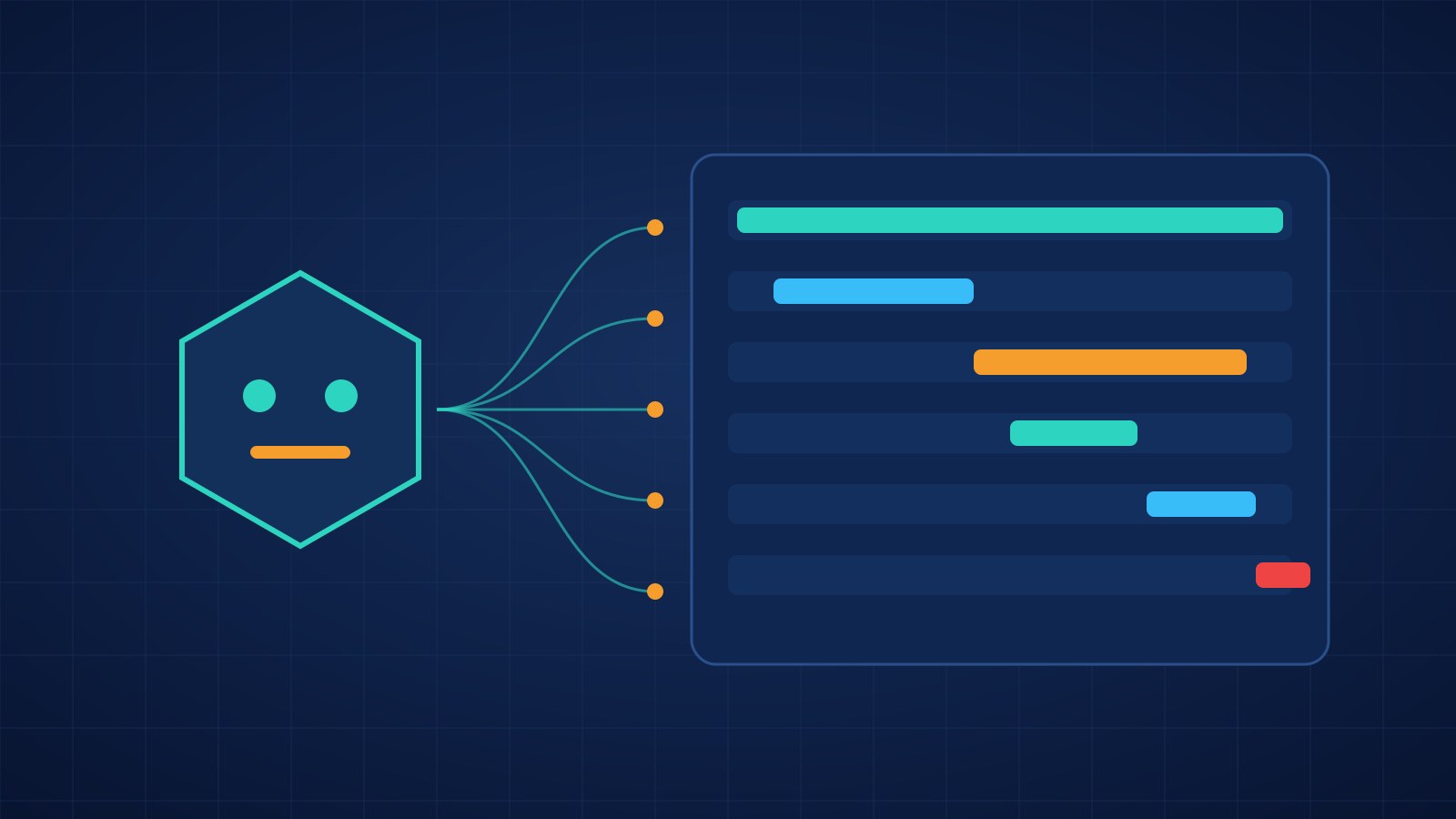
Observability fills that gap with traces: a timeline of every step inside one agent run, each with its inputs, outputs, duration, token count and errors. Add metrics and a review process, and you can see which tool failed, which prompt version caused a drop in quality, and what each task costs.
Until now, teams usually added this themselves with SDK wrappers. Anthropic’s 14 October announcement (public beta) lets Managed Agents and the Messages API send traces to any OpenTelemetry tool once a destination is set in the Claude Console, while the Claude SDKs export them automatically. Enterprise platforms are moving the same way: Workday launched its agent toolkit on 13 October with guardrails built in. The message for buyers is simple: tracing is now a standard part of a production agent, not an extra.
What to trace and measure
You do not need to log everything on day one. The table lists what most business agents need, and the question each item answers.
| What to capture | Examples | Question it answers |
|---|---|---|
| Agent run (root span) | User or ticket ID (pseudonymised), task type, start/end, outcome | Did the task succeed, and how long did it take? |
| Model calls | Model name, prompt version, input and output tokens, latency, errors | Which step is slow or expensive? |
| Tool and API calls | Tool name, arguments, result status, retries | Did the agent call the right system with the right data? |
| Retrieval (RAG) | Documents returned, scores, source IDs | Was the answer grounded in the right content? |
| Guardrails and approvals | Blocked actions, human approvals, hand-offs to staff | Who approved what, and when did a person step in? |
| Feedback and evals | Thumbs up/down, eval scores, escalations | Is quality getting better or worse after a change? |
From these traces, track a short list of metrics: task success rate, cost per completed task, p95 latency, tool error rate and the share of runs handed to a human. If you are still estimating budgets, our guide on the cost to build an AI agent in 2026 shows where token and tool costs come from.
Running an AI agent in production without clear traces? Tell us your stack and what the agent does. Get a real project estimate within 24 hours. NDA on request.
Tools: which option fits
Because the OpenTelemetry GenAI conventions give traces a shared format, you can pick a back end based on who will use it. Anthropic lists the following tools as working with Claude traces; most also accept traces from other model providers through OpenTelemetry.
| Option | Examples | Best for |
|---|---|---|
| General observability platforms | Grafana Cloud, Datadog, New Relic, Honeycomb, Sentry, Splunk | Teams that want agent traces next to existing app logs and metrics |
| LLM-focused tracing and evals | Langfuse, LangSmith, Arize AI, Braintrust | Product teams improving prompts and running evals on real traces |
| Product analytics | PostHog | Linking agent behaviour to user journeys and conversion |
| Self-hosted | OpenTelemetry Collector with an open-source back end (for example Langfuse self-hosted or Grafana) | Strict data-residency or privacy requirements |
Our advice: if you already use one of the general platforms, start there and add an LLM-focused tool only when you need evals and prompt comparison. Pricing for these tools changes often and depends on trace volume, so check each vendor’s current plan before you commit.
How to add observability to your agent
Here is a practical sequence for an existing or new agent. Timelines are typical estimates, not commitments, and depend on your stack and data rules.
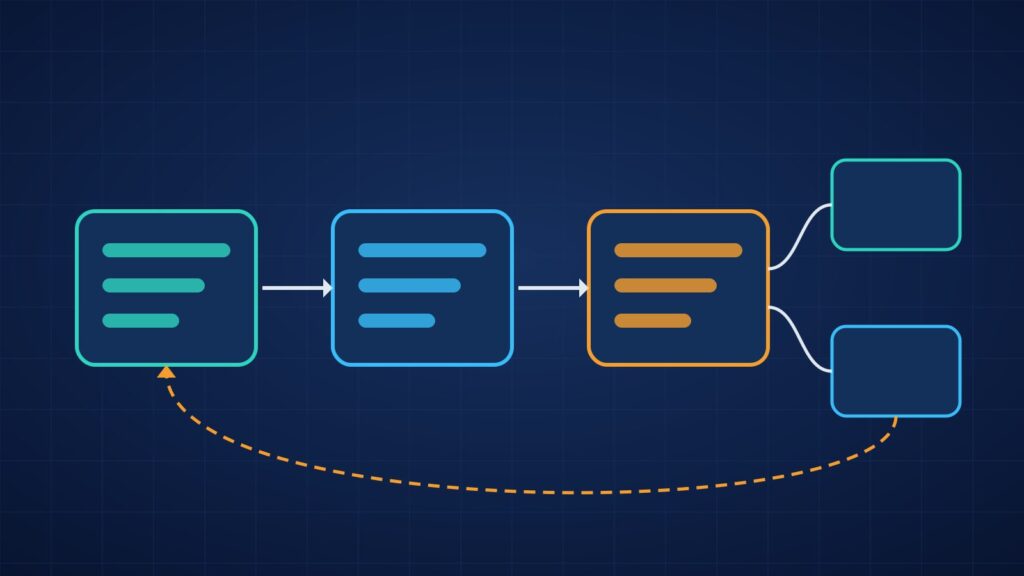
- 1. Define what good looks like (about 1 week). List the agent’s tasks, what counts as success, the actions that need human approval and the data that must never be logged in plain text.
- 2. Instrument the agent (about 1 to 2 weeks). Turn on native export where your provider offers it (for Claude, set a destination in the Console, see the docs). For other providers or custom orchestration, add OpenTelemetry SDK spans around each model call, tool call and retrieval step, using the GenAI attribute names.
- 3. Route traces through a collector. An OpenTelemetry Collector lets you mask personal data, sample high-volume traffic and send the same data to more than one tool.
- 4. Build three views. An operations dashboard (errors, latency), a cost view (tokens and spend per task, per customer or per team) and a quality review queue for failed or low-rated runs.
- 5. Set alerts. Alert on spikes in tool errors, cost per task, loops (too many steps in one run) and blocked actions.
- 6. Close the loop with evals. Turn real failures into test cases and run them before every prompt, model or tool change.
This fits into a modular setup like the one in our post on composable AI stacks: the model, orchestration layer and observability back end can each be swapped without rewriting the others. For the bigger picture of where agents are heading, see our pillar guide to AI agents in 2026.
Risks and limits
- Personal data in traces. Prompts and tool results often hold names, phone numbers or account details. Mask them at the collector, keep retention short and restrict access. In India this falls under the DPDP Act; see our DPDP checklist for AI apps.
- Cost of the observability itself. Storing every full prompt and response for every run adds up. Sample routine traffic and keep full detail for errors and high-value tasks.
- Security. Traces show how your agent works and what tools it has. Treat them as sensitive, and use them to spot prompt injection and excessive agency, two risks in the OWASP Top 10 for LLM applications.
- Beta features change. Anthropic’s OpenTelemetry export is in public beta, and the GenAI conventions are still evolving, so pin versions and expect some attribute names to change.
- Tracing is not oversight. Logs show what happened; they do not stop a bad action. Keep approvals and limits for anything that moves money or changes records, as we describe in our guide to AI for fintech apps.
FAQ
What is AI agent observability?
It is the practice of recording and analysing every step an AI agent takes: prompts, model calls, tool calls, retrieved documents, approvals, cost and latency. With these traces you can debug wrong answers, control spending, prove what the agent did for audits, and measure whether changes to prompts or models actually improve results.
Do we need observability for a small AI chatbot?
Yes, in a lighter form. Even a simple support bot should log conversations, model calls, costs and hand-offs to staff, with personal data masked. That shows you which questions it fails on and what it costs per conversation. Full evals and alerting can wait until usage grows or the bot starts taking actions.
Which tool should we use to monitor our AI agent?
If your team already uses Datadog, Grafana, New Relic or Sentry, start there, since they accept OpenTelemetry traces. If you mainly need prompt comparison and evals, look at LLM-focused tools such as Langfuse, LangSmith, Arize or Braintrust. Choose self-hosted options when data must stay on your own servers.
How long does it take to add tracing to an existing agent?
As a typical estimate, basic tracing with native export or OpenTelemetry spans takes one to two weeks, plus about a week to define success criteria and data-masking rules. Dashboards, alerts and an eval loop usually follow over the next few weeks, depending on how many tools and data sources the agent uses.
Will tracing slow down our agent or raise costs?
Trace export runs in the background and normally adds very little latency. The larger cost is storage and the observability tool’s pricing, which usually grows with trace volume. Sampling routine runs, trimming large payloads and keeping full detail only for errors and important tasks keeps that cost under control.
Is it safe to store prompts and responses in traces?
Only with controls. Prompts and responses can contain personal or confidential data, so mask sensitive fields before export, encrypt storage, limit access by role and set retention periods. Under India’s DPDP Act and the EU GDPR, you should collect only what you need and delete it when the purpose ends.
Does the EU AI Act require logging for AI agents?
For high-risk AI systems, Article 12 requires automatic recording of events over the system’s lifetime to support traceability and monitoring. Many business agents are not high-risk, but the same tracing helps with audits, disputes and customer trust. Check your use case with legal counsel; this is not legal advice.
How do I get an estimate for adding observability to our AI agent?
Share what your agent does, the model and framework it uses, where it runs and any data rules you must follow. Get a real project estimate within 24 hours, with fixed-cost, dedicated-team or hourly options. NDA on request.
Build reliable AI agents with Eoxys
Eoxys IT Solution has built software from Jaipur since 2009, with 700+ projects delivered across e-commerce, fintech, health and EdTech. We design agents with tracing, approvals and cost controls built in from the first sprint.
Whether you need a support chatbot or AI agent, a custom AI and machine learning solution, or the cloud setup to run and monitor it, get a real project estimate within 24 hours. NDA on request.
Related reading:
- AI Agents in 2026: From Helpful Assistants to Autonomous Digital Co-workers
- How Much Does It Cost to Build an AI Agent in 2026?
- Composable AI Stacks in 2026: How Smart Companies Build, Orchestrate and Scale AI
Sources
Checked on 15 Oct 2026 against Anthropic’s announcement and Claude Platform documentation, the OpenTelemetry GenAI semantic conventions (opentelemetry.io and the GitHub repository), the European Commission AI Act Service Desk (Article 12), OWASP and Workday’s announcement. The list of compatible tools is Anthropic’s; we did not test each integration or quote prices, which change often.
- Anthropic: Agent observability on the Claude Platform (14 Oct 2026)
- Claude Platform docs: OpenTelemetry
- OpenTelemetry: Generative AI semantic conventions
- GitHub: OpenTelemetry GenAI semantic conventions repository
- European Commission AI Act Service Desk: Article 12, Record-keeping
- OWASP: Top 10 for LLM Applications
- Workday: Workday Extend is now agent-ready (13 Oct 2026)

Shafeeq Khan is a web developer who creates modern, responsive, and user-friendly websites with clean code and creative design